
Plan foods that are comfortable to prepare and eat. Meal convenience and individual needs matter more than a long list of energy promises.
How to compare the food choices
When exploring foods for energy and mobility after 60, consider the whole meal, its portion, and how regularly you can prepare it. A list of individual foods can help with shopping, but it cannot establish a clinical effect or predict everyone’s experience.
Food options to consider
- Fish or a preferred protein food
- Beans with vegetables
- Nuts or seeds where suitable
- Whole grains with a varied meal
Separate a practical choice from a health claim
Ask what the claim actually measures. A food’s nutrient content, an ingredient study, and a result from a finished product are different kinds of information. Check whether a cited study involved the same preparation and outcome before treating it as relevant to a product on sale.
Compare labels and portions
- Read the actual serving size before comparing packaged foods.
- Include sauces, drinks, and other parts of the meal in your assessment.
- Treat a marketing description as a question to investigate, not a result already established.
Checks specific to this topic
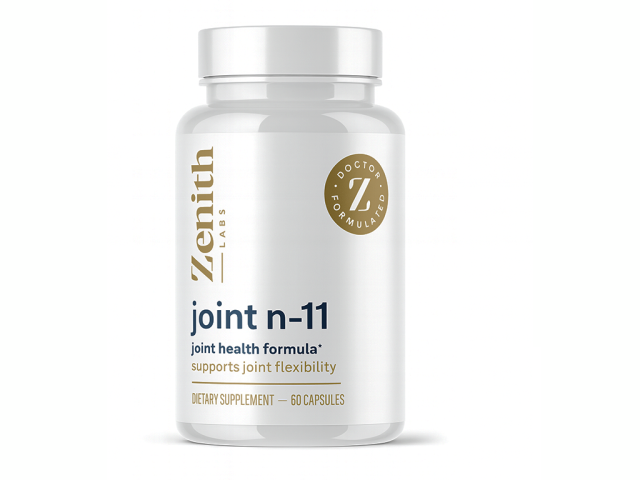
- Check the source of collagen or glucosamine if you have dietary restrictions.
- Record the amount and form of each ingredient.
- Compare research populations and outcomes before accepting a joint claim.
When personal advice matters
Supplements do not establish a diagnosis or replace treatment for persistent joint pain. Research findings for joint ingredients can differ by preparation and study.
Continue with the topic guide
Sources and evidence
Further reading from a public health source. Ingredient references explain general information; they do not endorse products listed here.
Updated · Editorial approach