
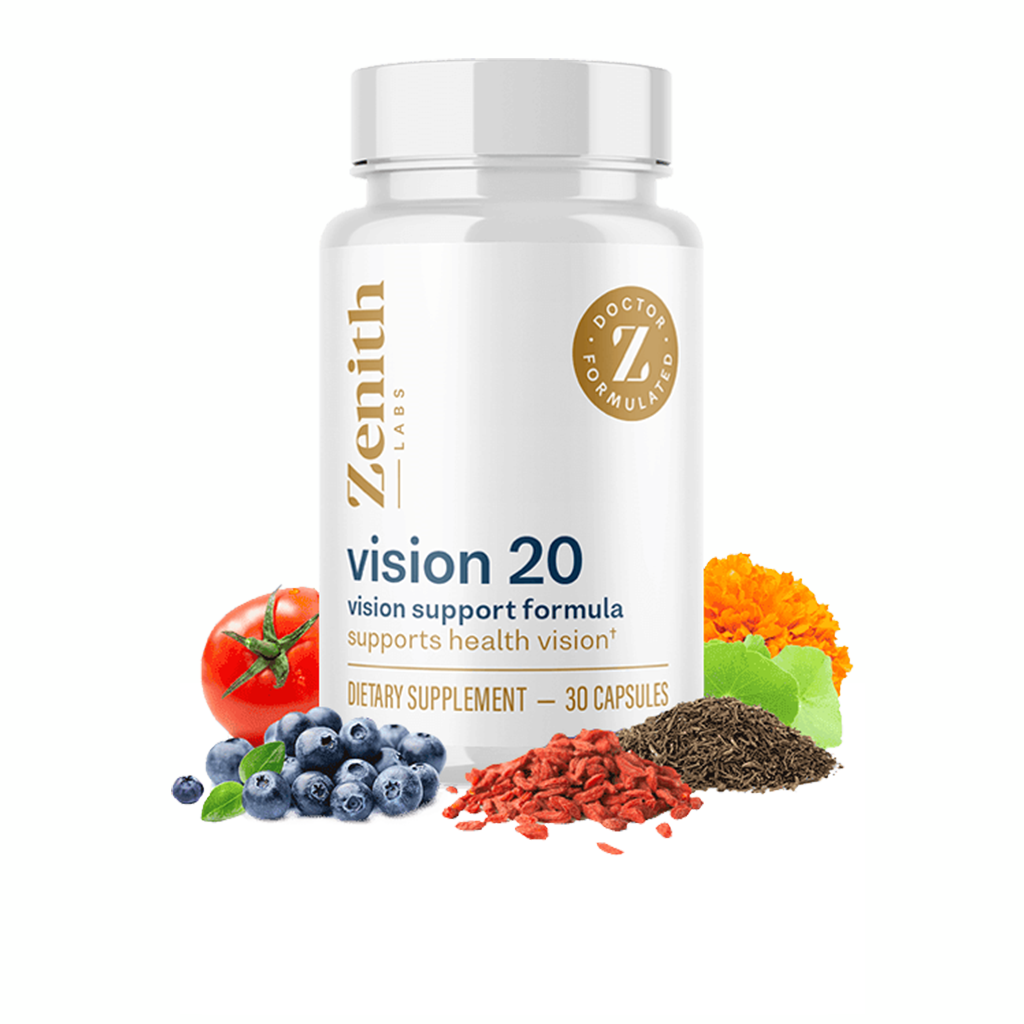
Use leafy greens and other suitable foods in varied meals. A food name cannot be converted into a supplement dose without reliable composition information.
How to compare the food choices
When exploring lutein rich foods for vision support, consider the whole meal, its portion, and how regularly you can prepare it. A list of individual foods can help with shopping, but it cannot establish a clinical effect or predict everyone’s experience.
Food options to consider
- Leafy greens in a meal
- Orange or yellow vegetables
- Eggs if suitable for your diet
- Fish, beans, or another protein food
Separate a practical choice from a health claim
Ask what the claim actually measures. A food’s nutrient content, an ingredient study, and a result from a finished product are different kinds of information. Check whether a cited study involved the same preparation and outcome before treating it as relevant to a product on sale.
Compare labels and portions
- Read the actual serving size before comparing packaged foods.
- Include sauces, drinks, and other parts of the meal in your assessment.
- Treat a marketing description as a question to investigate, not a result already established.
Checks specific to this topic
- Check the exact amounts of lutein, zeaxanthin, and other listed nutrients.
- Avoid assuming that a vision blend matches a researched formula.
- Discuss eye supplements with an eye care professional.
When personal advice matters
Eye supplement suitability depends on your eye health and medical history. Seek professional advice for changes in vision rather than relying on a product claim.
Continue with the topic guide
Sources and evidence
Further reading from a public health source. Ingredient references explain general information; they do not endorse products listed here.
Updated · Editorial approach