
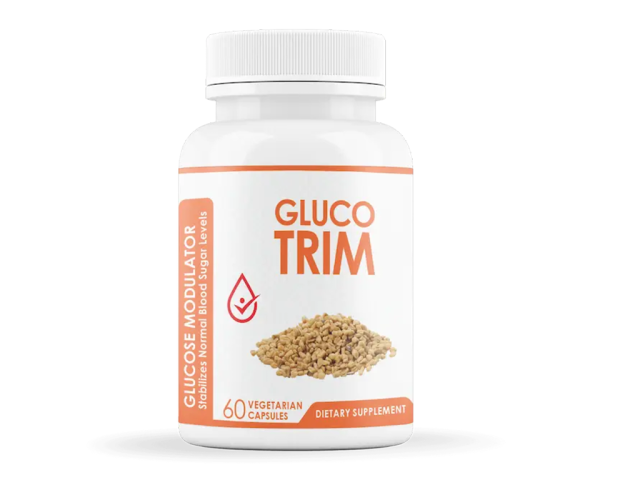
Compare plain oats, eggs or tofu, and unsweetened yogurt with berries. Read added sugar and portion information before comparing breakfast options.
Start with the question the product needs to answer
For breakfast for blood sugar balance, separate a food choice from a supplement claim. Write down what you want to compare: an ingredient amount, a format, a dietary restriction, or an ordering term. A shared keyword on two packages does not make their formulas equivalent.
Use a consistent comparison sheet
| Field | What to record | Why it helps |
|---|---|---|
| Serving | Units per serving and servings per container | Compare the same daily portion |
| Ingredients | Exact names, amounts, units, and forms | Spot differences hidden by marketing names |
| Missing information | Unspecified individual amounts or sources | Avoid treating an assumption as a fact |
| Evidence | Preparation, participants, and outcome studied | Keep general ingredient research separate from a finished formula |
| Buying terms | Full cost, delivery, recurring charges, and returns | Compare the actual commitment |
Keep ordinary foods in the comparison
- Unsweetened yogurt and berries
- Oats with nuts or seeds
- Beans or lentils in a meal
- Eggs or tofu with vegetables
Checks specific to this topic
- Compare total carbohydrate and added sugar for the portion you eat.
- Read the ingredient amount, rather than relying on a blood sugar claim.
- Keep prescribed diabetes care separate from supplement shopping.
When personal advice matters
Do not use a dietary supplement to replace diabetes medication or an individualized eating plan. Ask your clinician about ingredients that might interact with treatment.
Continue with the topic guide
Sources and evidence
Further reading from a public health source. Ingredient references explain general information; they do not endorse products listed here.
Updated · Editorial approach